Learn the science
Build a coherent foundation in beauty, colour, form, movement, ambiguity, emotion and embodiment.

Masterclass
Paris + Online August 2026
Where vision becomes experience
Apply for the programmeOne central question
Neuroaesthetics in Europe brings scientific ideas into direct contact with artworks. Study perception in the classroom, test it through close observation in Paris museums, and return to the works with a transformed way of seeing.
The experience
This is not a conventional museum visit, nor a series of isolated lectures. It is a continuous exchange between scientific understanding and direct visual experience.
Build a coherent foundation in beauty, colour, form, movement, ambiguity, emotion and embodiment.
Move beyond reproductions as scale, material, space and bodily presence become part of the encounter.
Test ideas in real time and return to the museum with sharper questions rather than predetermined answers.

Grand Gallery of the Louvre · Photograph by Nathan Cima / Unsplash
Two formative voices in the field
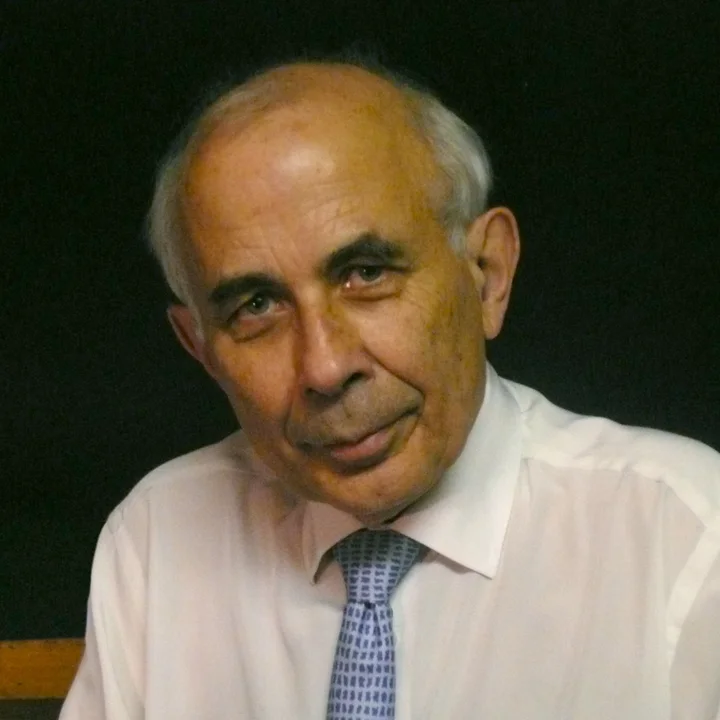
University College London
Emeritus Professor of Neuroaesthetics at UCL and a Fellow of the Royal Society. His pioneering work mapped the functional specialisation of the visual brain for colour, form and motion, and showed that these attributes are processed in parallel. He later extended this research to the neural correlates of affective states—including love, desire and beauty—helping establish neuroaesthetics as a field.
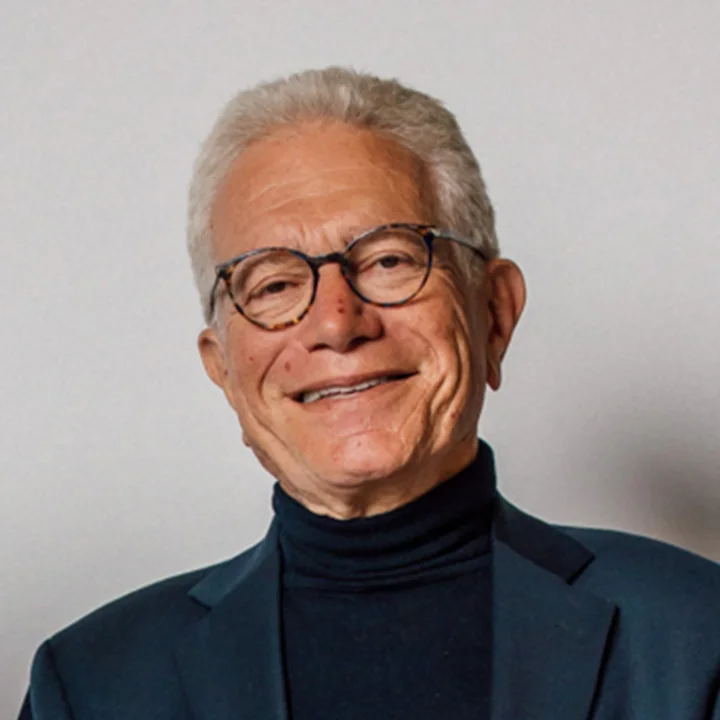
Columbia University
Pierre Matisse Professor of the History of Art at Columbia University and author of the landmarkThe Power of Images. His research traces psychological and embodied responses to art—from iconoclasm and censorship to movement, emotion and empathy—and in 2001 he founded the Italian Academy’s Humanities and Neurosciences Project to bring humanistic and scientific inquiry into dialogue.
Eleven sessions move from a shared foundation to intensive Paris study and reflective seminars.
14 August 2026 · Online
Establish a shared vocabulary and examine the promises and limits of neuroaesthetics.
15–18 August 2026 · Paris
Eight in-person sessions: morning lectures and discussion followed by museum study.
20–21 August 2026 · Online
Connect the museum encounters to Renaissance and Baroque studies of embodiment and empathy.
Eleven academic sessions
Designed as a coherent intellectual journey. No prior neuroscience background is required.
Semir Zeki
The foundations of neuroaesthetics; art as a means of acquiring knowledge; biological and artefactual beauty; abstraction and the formation of concepts.
The neural mechanisms engaged by visual, musical, moral, mathematical, sorrowful and joyful beauty, including similarities in responses across cultures.
The Mondrian experiments, Fauvist painting and the brain’s stabilisation of the visual world, with examples from Vermeer, Goya and Velázquez.
The brain as a massively parallel and asynchronous system; the relationship between knowledge, conscious experience and representation.
How the brain perceives movement in art, from early expressions of motion to Duchamp, Calder, Tinguely and others.
The construction of form and form constancy through the work of Cézanne, Picasso, Braque, Ellsworth Kelly and others.
How the brain recognises and interprets situations across changing visual conditions, considered through Ribera, Vermeer and Goya.
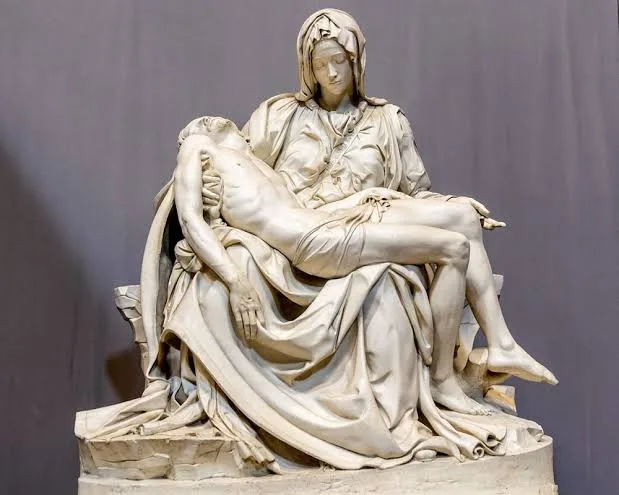
Why ambiguity is central to both artistic experience and brain function, with special reference to Michelangelo, Cézanne and Vermeer.
David Freedberg
An introductory seminar on the aims, methods and limits of neuroaesthetics. Participants will consider what neuroscience contributes to the understanding of images, why concepts such as “art” and “beauty” resist universal definition, and how the field might move from speculative claims towards the empirical study of human response.
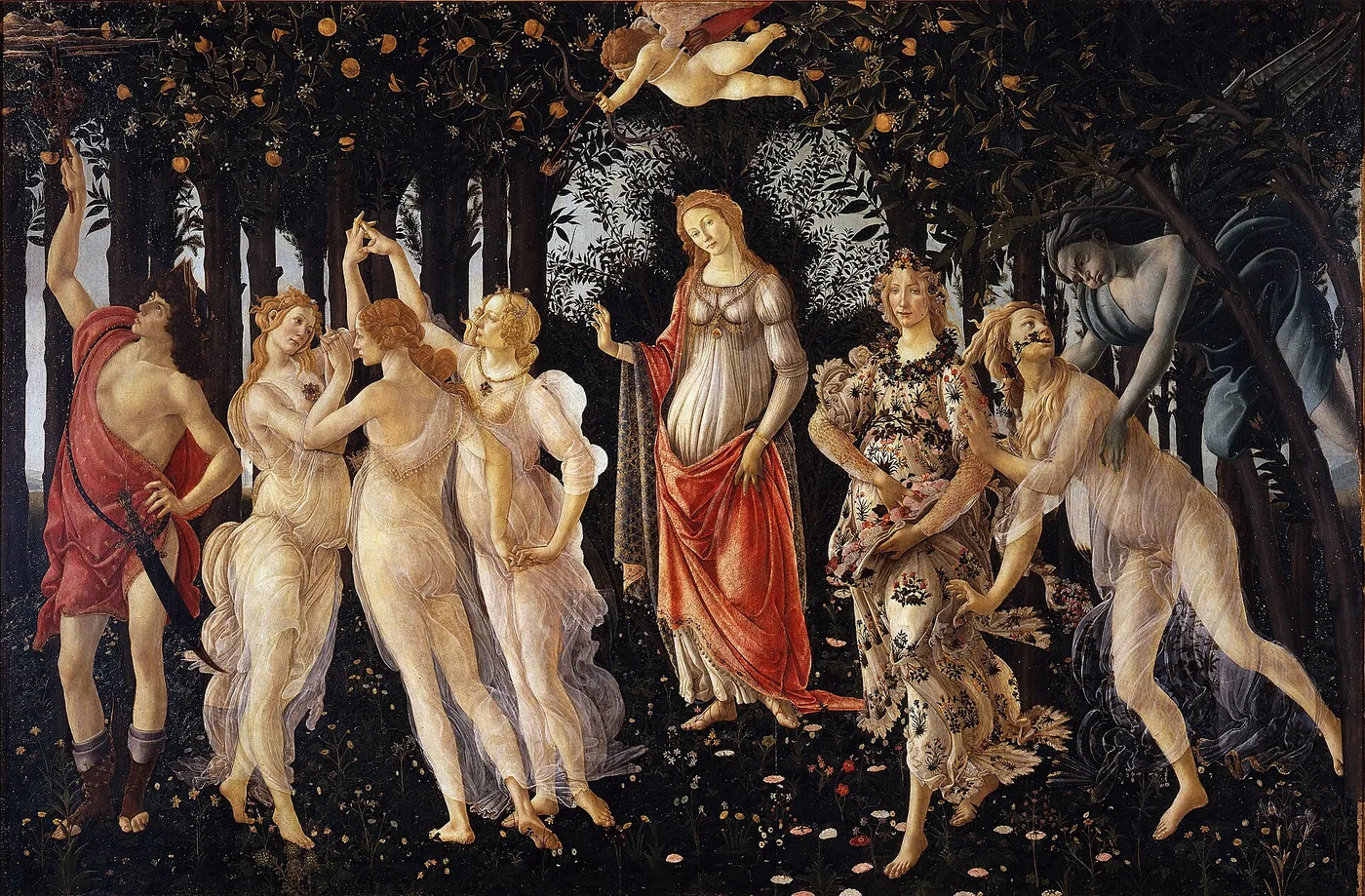
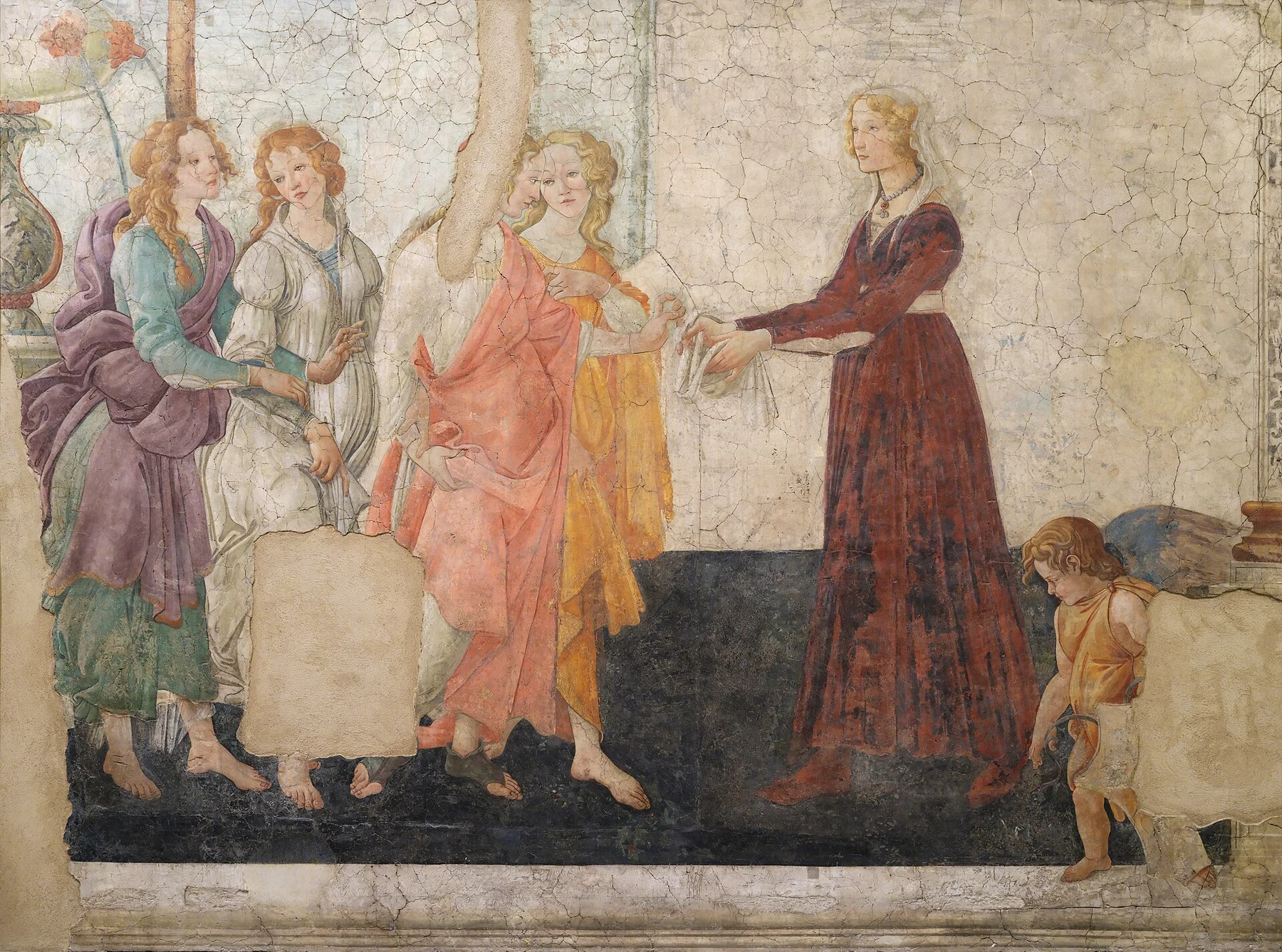
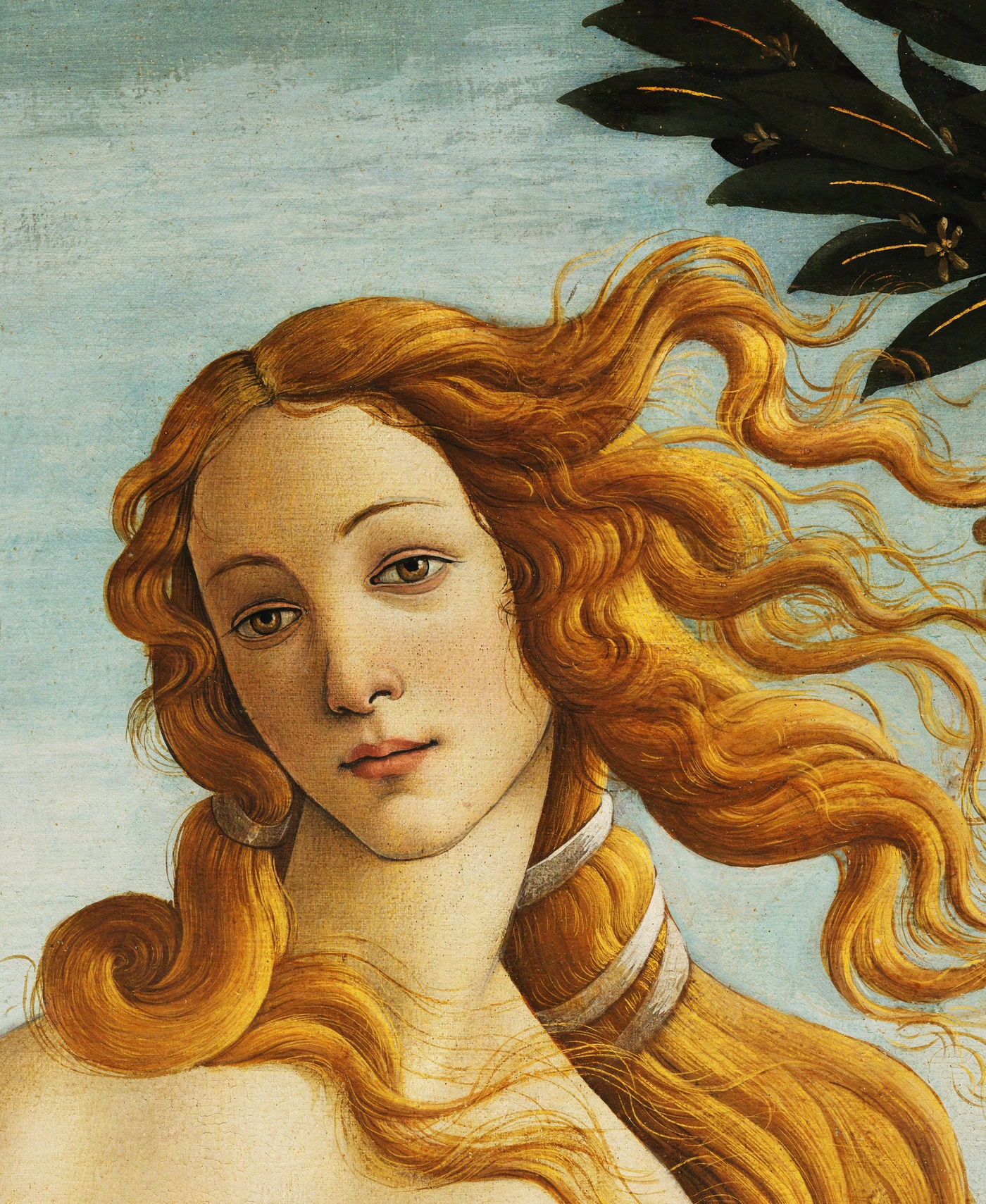
What can neuroscience contribute to the understanding of Renaissance art? Focusing on Botticelli and Michelangelo—and drawing on works in the Louvre, Uffizi, Vatican and Roman collections—this session brings traditional art-historical approaches into dialogue with the neuroscience of movement, emotion and bodily response. Topics include the felt grace and motion of Botticelli’s figures; Michelangelo’s muscular bodies, contrapposto and unfinished sculptures; the relationship between movement and emotion; and the possibilities and limitations of tools such as TMS, EEG and fMRI.
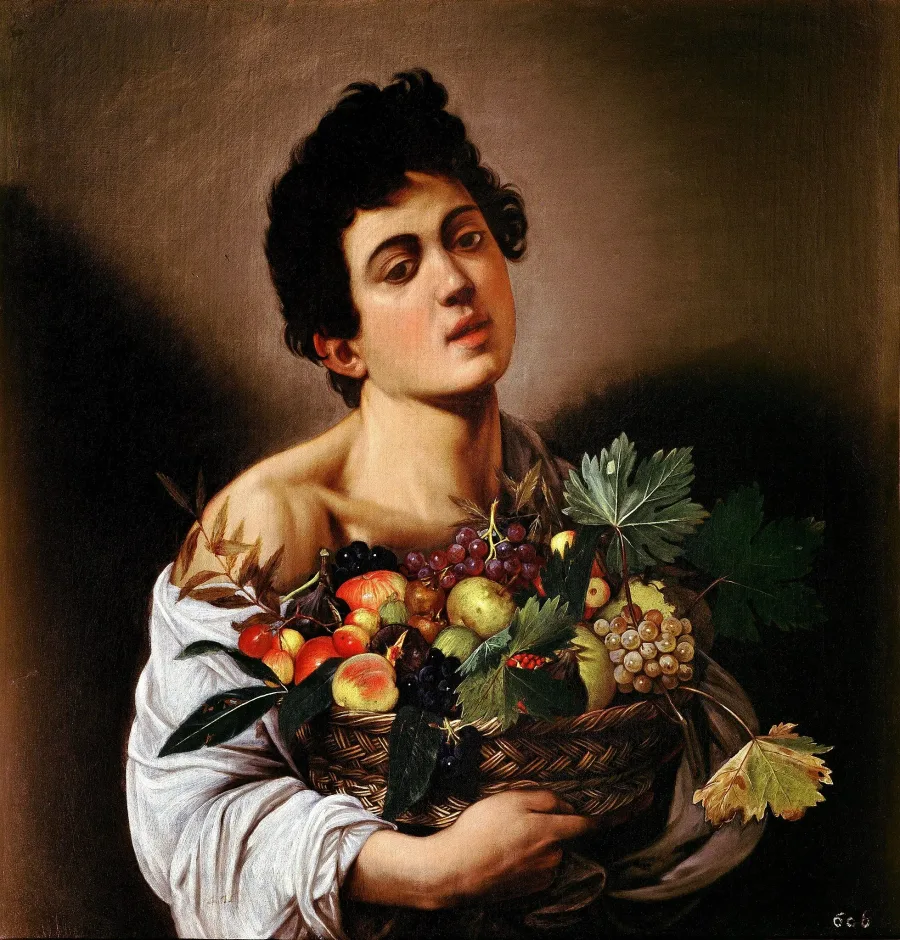
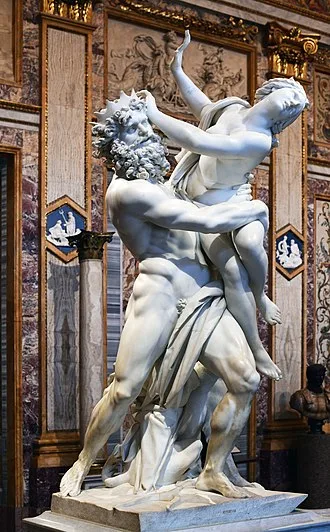
Focusing on Caravaggio and Bernini, this session examines embodiment and sensory response in Baroque art. Participants will explore how images of movement, touch, pain and emotion engage motor and sensory systems, and how bodily understanding may underpin what is commonly called empathy. The discussion considers mirror-neuron theory, pre-reflective response, somatosensory experience, inhibition, reward and pleasure, while distinguishing empathy from sympathy. It also asks how biological response interacts with historical, cultural and individual difference.
Paris as a living laboratory
The programme’s in-person teaching takes place in Paris. Each museum encounter turns colour, form, movement, ambiguity and embodiment into questions that can be observed directly.
Mondrian, Francis Bacon, Matisse and the Fauves: colour, form and the construction of visual experience.
Different stages of Picasso’s development and the ways the brain constructs and recognises form.
Michelangelo and Titian through the body, ambiguity, material presence and embodied response.
The transformations of colour, perception and representation that shaped modern visual experience.
You do not need to arrive with answers. Bring your questions and a willingness to look closely.
Everything you need to plan
The fee covers tuition only. Meals, museum admission, accommodation and transport are not included.
About the organiser
Neu-Reality connects neuroscience, technology and culture through independent science communication, public programmes and international academic collaboration.
Visit Neu-RealityApplications close 14 August 2026 at 12:00 noon (Paris time)
What does the brain make visible? Why do images move us before we understand them? Join an intensive encounter with art, perception and the human mind.
Apply